
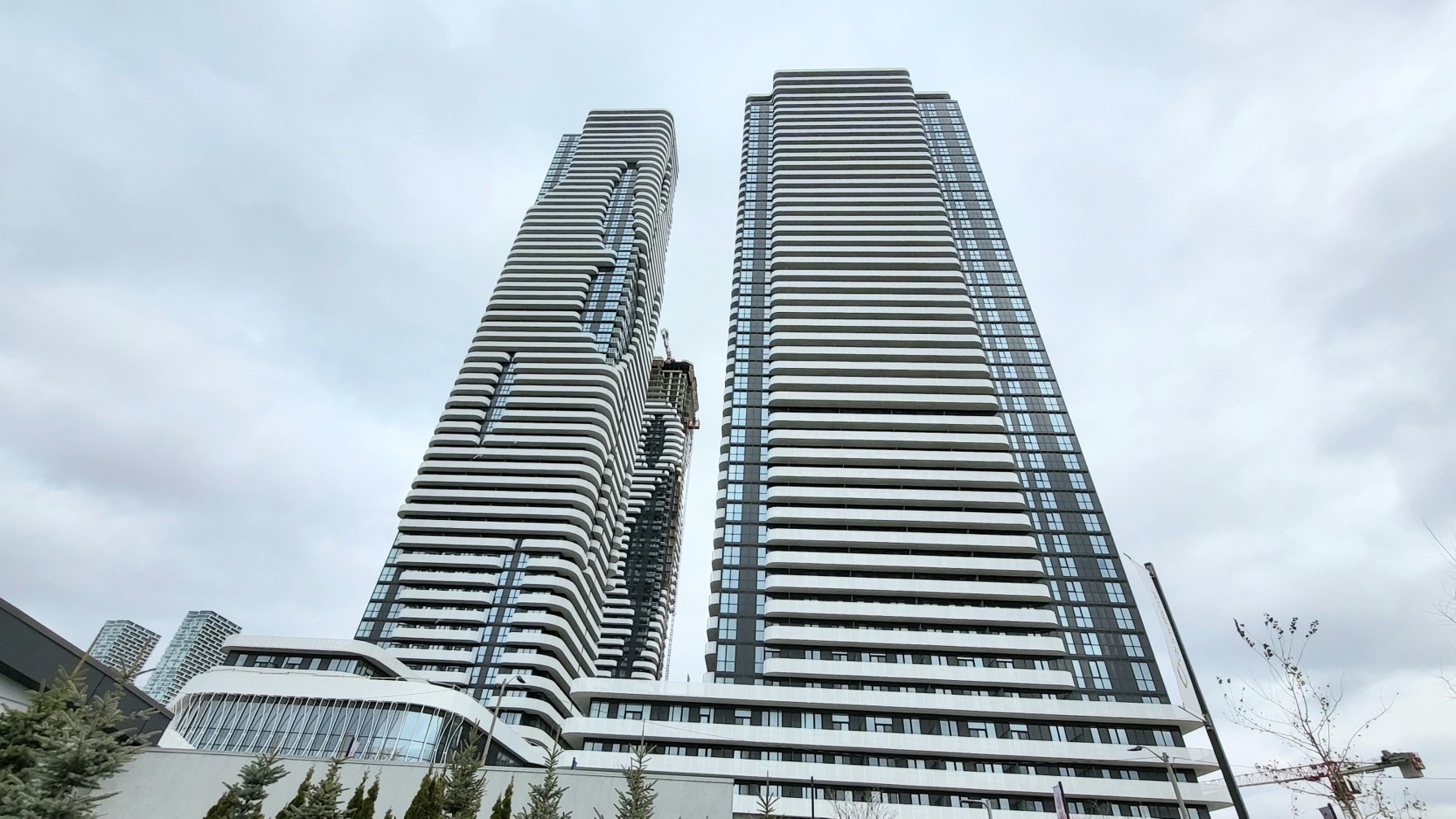
Is a Toronto Condo a Good Rental Investment? Calculate Cash Flow Before You Buy
Toronto condo investors are running in the red. For instance, a CIBC Capital Markets report highlights that almost 80% of investors who purchased newly completed properties in the Greater Toronto Area were cash-flow negative. Meaning that rents have gradually decreased and are struggling to cover condo fees or mortgages. The fact is that this is not an issue of market timing. Investors need to consider their calculations and make them relevant.
So, before you can even sign a purchase deal, you need to complete your calculations related to your potential investment.
What “Cash Flow” Actually Means for a Condo Investor
Cash flow is the money left in your pocket after all operating expenses are paid. The rule for Canada properties is: If the result is positive, the property pays you. Otherwise, you’re subsidizing your tenant’s housing. This has become a new normal in Toronto.
Follow these steps to improve your math and calculate your investment in Toronto.
Calculate Realistic Rental Income
Toronto’s rental market has softened. For example, a normal-sized one-bedroom condo rent can be above $2000. If bedrooms are increased, the rent can touch a figure of above $3,000.
Don’t always following the highest rents, within a building or locality you should look at properties priced at a competitive rate. Some owners are offering one month of free rent. The tactic is used to encourage tenants to avail the opportunity. However, these are often hidden costs that are not advertised.
List Every Cost
Many buyers and investors do not follow this strategy. They may understand the mortgage but fail to understand other factors such as condo fees or property taxes.
Condo Fees
In the GTA area, condo fees are something you should consider seriously. For instance, if you are looking to rent a unit in a building offering greater amenities; it may require spending more on condo fees. Ultimately, it is important to determine what you are looking for and what works best as per your budget.
Property Taxes
If you consider Toronto’s property tax related to a $500,000 condo, you may have to pay almost $3,500 per year. That becomes a hefty payment per month. Therefore, always check the tax assessment of your unit. It can be different from your buying price.
Insurance costs
Landlord insurance can cost you approximately $80-$100 per month. In Toronto, if you choose an average condo, this is different from homeowner’s insurance and is essential.
Maintenance and Repair Reserve
Maintenance and repair reserve can reflect almost 10% of the gross rent per year related to repairs. Also potentially including costs associated with routine maintenance. Ultimately, if you are considering investing in a property, it is important to understand potential hidden costs and work with experienced agents to explain the whole process.
Property Management Cost
If you are not managing your property yourself, you’re not doing a great job saving money. It may cost you almost 8-12% of monthly rent as well.
Why Toronto Condos Are Structurally Challenged for Cash Flow
Three factors make positive cash flow nearly impossible in today’s Toronto condo market:
1. High Purchase Prices Relative to Rents
If you still think you can follow the 1% rule, which means rent should equal 1% of the purchase price, think again. If a Condo is worth $500,000, its monthly rent could be calculated as $5,000. That’s a major shock.
2. Condo Fees Become a Disadvantage
Now, if you are paying condo fees of $450-$734 per month, it can become a real and permanent expense. It does nothing to help you build equity. And it does not remain the same over time.
3. Financing Costs Have Increased
Mortgage rates in the 5-6% range, compared to 2% in previous years, have made it harder to generate positive cash flow from rental income. Almost 80 to 90% of Toronto condo investors have negative cash flow.
When a Toronto Condo Might Still Make Sense
Negative cash flow isn’t automatically a dealbreaker. Some investors accept it for these reasons:
Long-Term Appreciation
If you believe Toronto condo values will rebound and grow over 10-20 years, monthly negative cash flow is the cost of holding the asset. Institutional investors, including the provincial government’s Building Ontario Fund, are buying cut-price condo units for rental conversion, signaling long-term confidence.
Mortgage Paydown
Each mortgage payment reduces your principal, building equity even when cash flow is negative.
Tax Benefits
Rental losses can offset other income. However, this advantage does not improve your situation significantly. Every month, a huge expense is ready to be paid. If your financial limitations are not addressed, you won’t be able to sustain that for years.
Conclusion
The above discussion concluded that you should always calculate numbers before you make a vital decision. These numbers should be based on realistic math. You should be more honest about your calculations.
If the cash flow is deeply negative, you’re not buying an income. Our Trust Condos expert property advisors suggest that: Unless you can buy a property or condo in Toronto and hold it for 10, 20, or 30 years, you shouldn’t buy real estate. If you are serious about building assets by investing in the real estate market or condos, understand that your wealth-building will not come from cash flows.
Ready to find your ideal condo in Toronto? Contact Trust Condos for expert guidance on exploring properties, comparing your options, and making a confident real estate decision.
The information on this blog is based on our experience. Readers/Users are strongly recommended to obtain independent property, mortgage, legal, tax, or accounting advice. The information displayed is for reference only and without representations or warranties.